
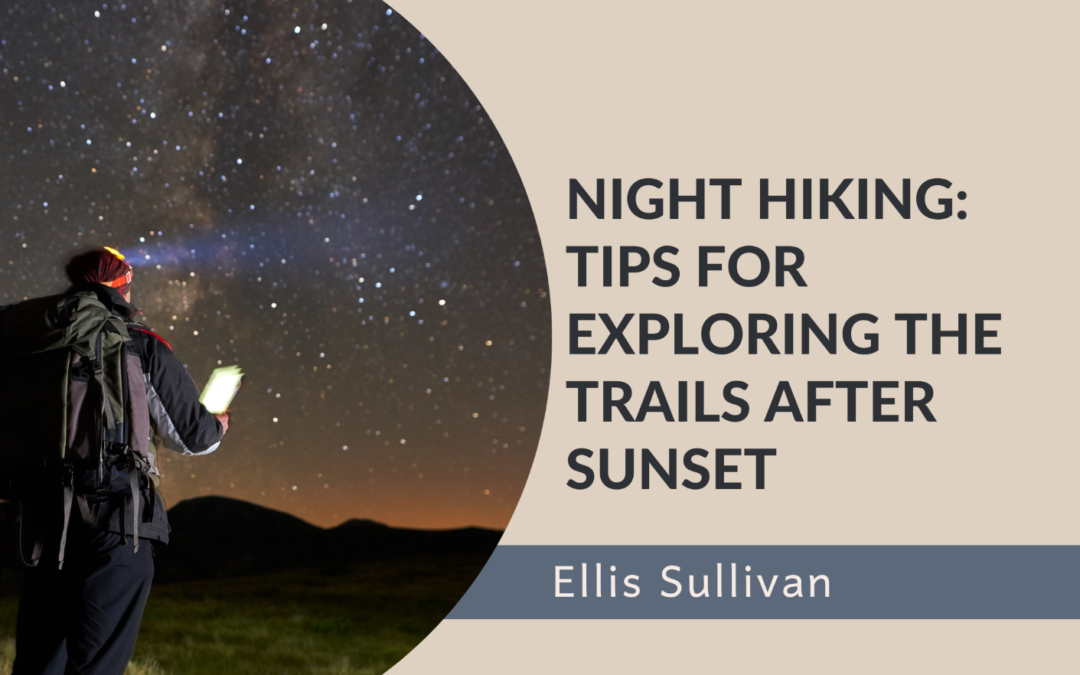
As the sun dips below the horizon, the allure of night hiking beckons, offering a unique and magical experience for outdoor enthusiasts. While navigating trails after sunset may seem daunting, with the proper preparation, night hiking can be a thrilling and safe adventure. Here are some essential tips to illuminate your path and make the most of your nocturnal journey.
- Choose the Right Trail:
Opt for trails you are familiar with during daylight hours. This ensures you have a basic understanding of the terrain, potential obstacles, and key landmarks. Begin with shorter night hikes before venturing into more challenging routes.
- Equip Yourself with Proper Lighting:
Visibility is paramount when hiking in the dark. Invest in a reliable headlamp or flashlight with adjustable brightness settings. A headlamp allows you to keep your hands free while illuminating the trail ahead. Pack extra batteries to avoid being left in the dark.
- Dress Appropriately:
Wear comfortable, weather-appropriate clothing and sturdy, supportive footwear. Dress in layers, considering the drop in temperature during the night. Reflective clothing is an excellent choice to enhance visibility, especially if sharing the trail with others.
- Plan Your Timing:
Start your night hike with enough daylight to familiarize yourself with the surroundings. This twilight period allows for a smoother transition into complete darkness. Check sunset times and plan your hike accordingly.
- Know the Wildlife:
Nocturnal animals are more active after dark. Familiarize yourself with the area’s wildlife and respect their habitats. Use your flashlight sparingly to minimize disturbance to the natural environment.
- Stay on Designated Trails:
Stick to well-marked and familiar trails to avoid getting lost. Venturing off the path increases the risk of accidents and disorientation. Many parks and trails have specific regulations regarding night hiking, so be sure to check and adhere to them.
- Bring a Hiking Buddy:
Night hiking is safer and more enjoyable with a companion. Having someone by your side enhances safety and provides a shared experience. If hiking alone, inform someone about your plans, expected return time, and the trail you’ll be on.
- Use Natural Navigation:
Trust your sense of direction and become adept at using natural cues. Familiarize yourself with the moon’s phases and constellations. In open areas, the moon and stars can offer sufficient light for navigation.
- Engage Your Senses:
Embrace the sensory experience of night hiking. Listen to the sounds of the night, from rustling leaves to distant animal calls. Take breaks to stargaze and appreciate the tranquility that the darkness brings.
- Respect Quiet Hours:
Be mindful of noise levels, especially when hiking in areas with specific quiet hours. Keep conversations at a considerate volume to maintain a peaceful environment for fellow hikers and wildlife.
Night hiking introduces a new perspective to the familiar trails you love. By adequately preparing and respecting the natural environment, you’ll discover the beauty and serenity of nighttime landscapes. So, strap on your headlamp, embrace the darkness, and let the nocturnal adventure begin.